
Lithium batteries power modern electronics, electric vehicles, industrial equipment, and energy storage systems. However, not all lithium batteries are designed to be recharged. Understanding which lithium batteries are rechargeable and which are not is essential for safety, performance, and long-term reliability.
We provide a definitive, technically precise explanation of lithium battery rechargeability, covering battery chemistry, structure, charging behavior, safety risks, and identification methods.
Understanding Lithium Battery Categories: Primary vs Secondary Lithium Batteries
Primary Lithium Batteries (Non-Rechargeable)
Primary lithium batteries are designed for single-use only. They generate electrical energy through irreversible chemical reactions. Once depleted, their internal chemistry cannot safely return to its original state.
Key characteristics:Non-rechargeable
High energy density
Long shelf life (10–20 years)
Low self-discharge
Stable performance
Lithium-thionyl chloride (Li-SOCl₂)
Lithium-manganese dioxide (Li-MnO₂)
Lithium-iron disulfide (Li-FeS₂)
CR2032, CR123A coin cells
Secondary Lithium Batteries (Rechargeable)
Rechargeable lithium batteries support repeated charge and discharge cycles through reversible electrochemical reactions.
Common types:Lithium-ion (Li-ion)
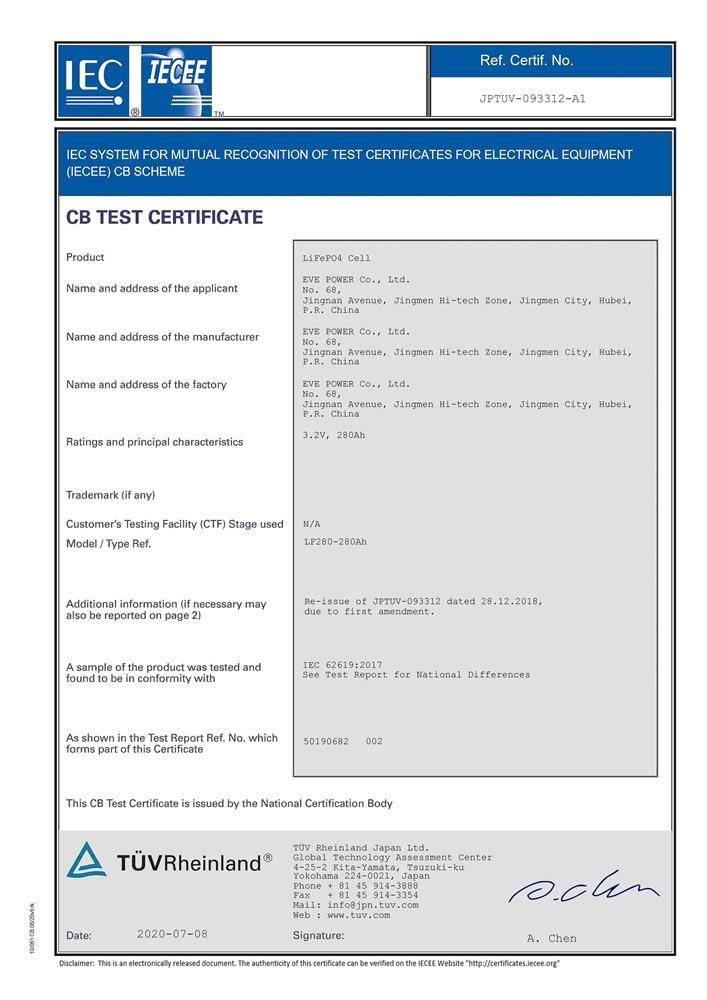
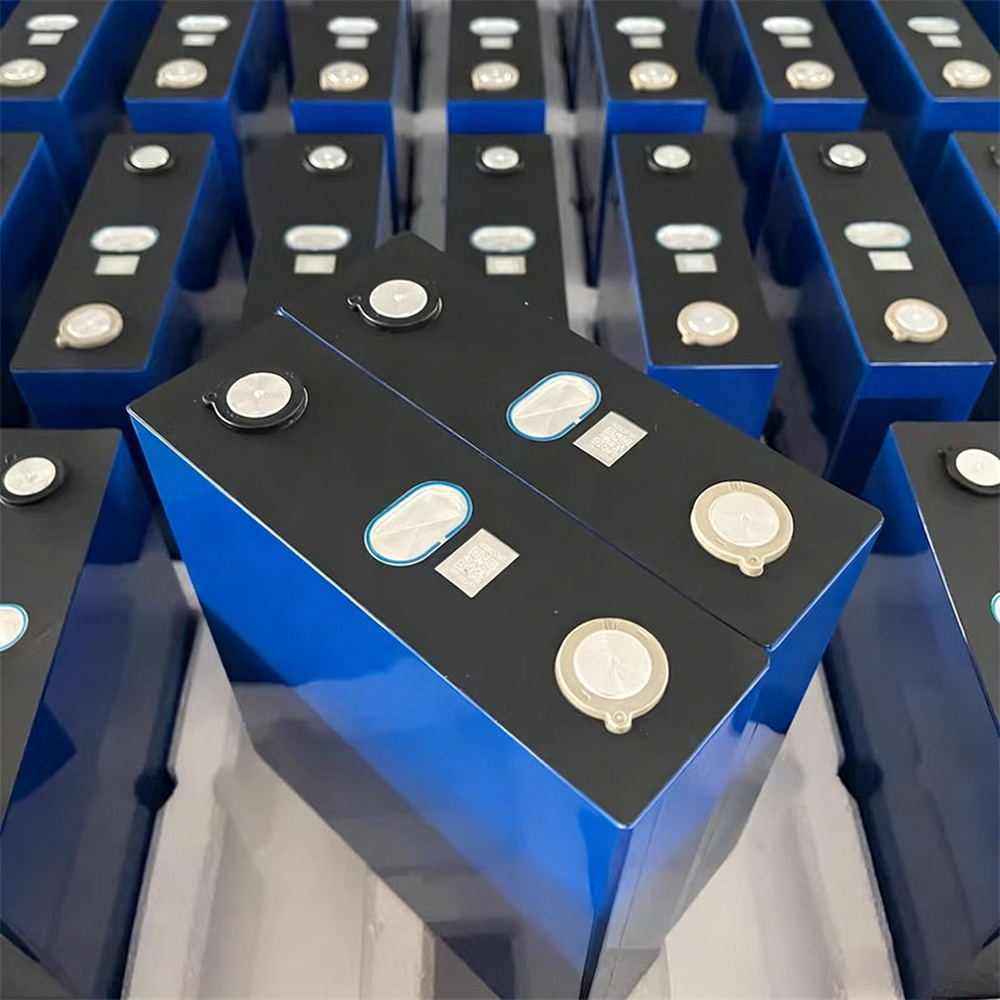
Lithium iron phosphate (LiFePO4)
Lithium polymer (LiPo)
Lithium titanate (LTO)
NMC and NCA lithium batteries
Electric vehicles
Solar storage systems
Laptops and smartphones
Drones and robotics
Industrial equipment
Lithium Battery Charging and Discharging Process
Rechargeable lithium batteries function through reversible lithium-ion movement between the cathode and anode.
Charging:
Lithium ions move to anode → Energy stored

Discharging:
Lithium ions move to cathode → Energy released
Rechargeable Lithium Battery Types and Cycle Life
| Battery Type | Rechargeable | Cycle Life | Applications |
|---|---|---|---|
| Lithium-ion | Yes | 500–1500 cycles | Electronics, EVs |
| LiFePO4 | Yes | 2000–10000 cycles | Solar storage, EVs |
| Lithium Polymer | Yes | 300–800 cycles | Drones, wearable devices |
| LTO | Yes | 10000–25000 cycles | Industrial and grid storage |
| CR2032 | No | Single use | Coin cell devices |
Why Non-Rechargeable Lithium Batteries Cannot Be Recharged
Primary lithium batteries lack reversible electrochemical design. Attempting to recharge causes:
Gas buildup
Internal pressure increase
Thermal runaway
Fire or explosion
Permanent damage
How to Identify Rechargeable Lithium Batteries
Check labeling:Rechargeable batteries: "Li-ion", "LiFePO4", "Rechargeable"
Non-rechargeable batteries: "Do not recharge"
3.6–3.7V → Rechargeable Li-ion
3.2V → LiFePO4
3.0V → Typically non-rechargeable coin cell
Safety Risks of Charging Non-Rechargeable Lithium Batteries
Explosion risk
Fire hazard
Device damage
Toxic gas release
Always use chargers designed for rechargeable lithium batteries only.
Advantages of Rechargeable Lithium Batteries
Long lifespan
Lower long-term cost
Environmentally friendly
Stable power output
High efficiency
Battery Management System (BMS) Importance
Rechargeable lithium batteries include a Battery Management System for safety and performance optimization.
BMS protects against:Overcharging
Over-discharging
Short circuit
Overheating
Conclusion
Not all lithium batteries are rechargeable. Rechargeable lithium batteries include lithium-ion, LiFePO4, lithium polymer, and lithium titanate batteries. Primary lithium batteries such as lithium coin cells and lithium-thionyl chloride batteries are strictly non-rechargeable.
Always verify battery type before charging. Using proper chargers and battery management systems ensures safe operation, optimal performance, and long service life.
