
Tesla has outlined plans to significantly increase its capital expenditures, targeting over $20 billion by 2026—a marked rise compared to recent years.
For context, Tesla's 2025 capital expenditures are approximately $8.5 billion (on an adjusted basis including energy system procurement), making the 2026 target a substantial "doubling" of investment scale.
The company stated this capital will drive expansion and retooling across multiple business lines, specifically noting vertical integration in battery and lithium resource segments.
For the battery industry, two key announcements from the latest earnings call stand out: a shifted role for the 4680 cell and a consolidated roadmap for a localized "lithium refining—cathode material—LFP cell" chain within the United States.
Tesla revealed it has begun producing battery packs with in-house 4680 cells for some Model Y vehicles, framing them as an additional supply source to navigate trade barriers and tariff-related supply chain complexities.
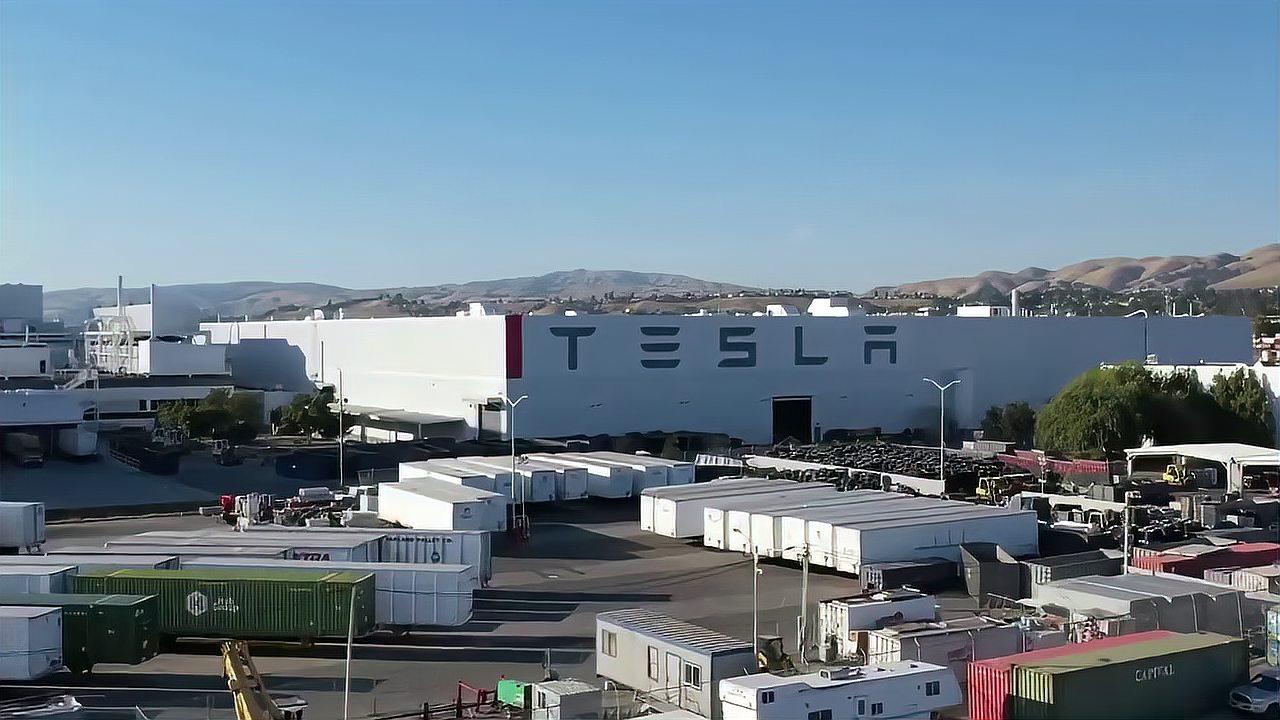
More critical is progress on the manufacturing front. Tesla reports achieving dual dry-process electrode production for 4680 cells at its Austin facility, with both anode and cathode made locally.
This development pulls the 4680 from a "single-vehicle, single-scenario" application into a supply structure closer to mainstream models. It does not necessarily signal the cell's outright dominance but indicates it is now assuming roles for "risk hedging" and "regionalized supply."
Separately, Tesla disclosed that its lithium refinery has commenced pilot production, calling it one of North America's first spodumene-to-hydroxide refining facilities.
Furthermore, LFP cell production lines in Texas and Nevada are projected to start output in 2026, advancing the localization of key materials and battery manufacturing.
Detailing capacity in "annual installed capacity" terms, Tesla listed its battery chain capabilities: Nevada LFP at 7 GWh, Texas 4680 at 40 GWh, cathode materials at 10 GWh, and lithium refining at 30 GWh.
The company clarified that installed capacity differs from current output, with actual production dependent on equipment utilization and supply factors.
Collectively, these moves indicate Tesla is relocating portions of its critical material and cell production to the U.S. to mitigate disruptions from geopolitical and trade variables.
This capital expenditure hike unfolds against a backdrop of slowing automotive growth for Tesla, paired with accelerating expansion in energy and new businesses.
In 2025, combined Model 3/Y deliveries reached approximately 1.585 million units, while other models totaled about 51,000 units, with the latter segment seeing a larger year-on-year decline.
Tesla stated it has completed the Model Y refresh and launched more variants, while preparing for production ramp-ups for the Semi and Cybercab in North America during the first half of 2026.
On profitability, Tesla's Q4 total gross margin recovered to 20.1%, with the automotive gross margin (excluding regulatory credits) at 17.9%.
However, the company cited several headwinds affecting profits, including delivery declines, increased per-vehicle costs due to under-utilized fixed costs on some lines, rising tariff pressures, and elevated operating expenses from AI, R&D, and sales management.
The revenue structure is also shifting: Q4 automotive revenue fell 11% year-on-year, while energy business revenue grew 25%. Tesla noted a record quarter for energy storage deployments, with quarterly gross profit reaching a record $1.1 billion and full-year storage deployments hitting 46.7 GWh.
Next:Sungrow 1+X 2.0 Cuts PV Plant Repairs to One Hour in Field Test
Previous:China’s 500Ah+ Batteries: Reshaping Global Energy Storage
Contact Person: Miss. Elsa Liu
| WhatsApp : | +8617763274209 |
|---|---|
| Skype : | +8617763274209 |
| WeChat : | 17763274209 |
| Email : | Elsa@lifepo4-battery.com |
