
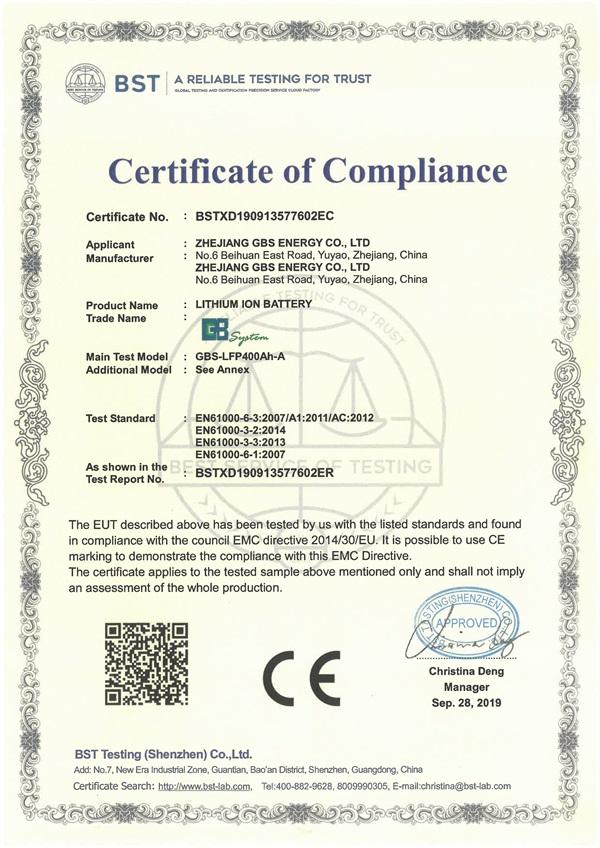
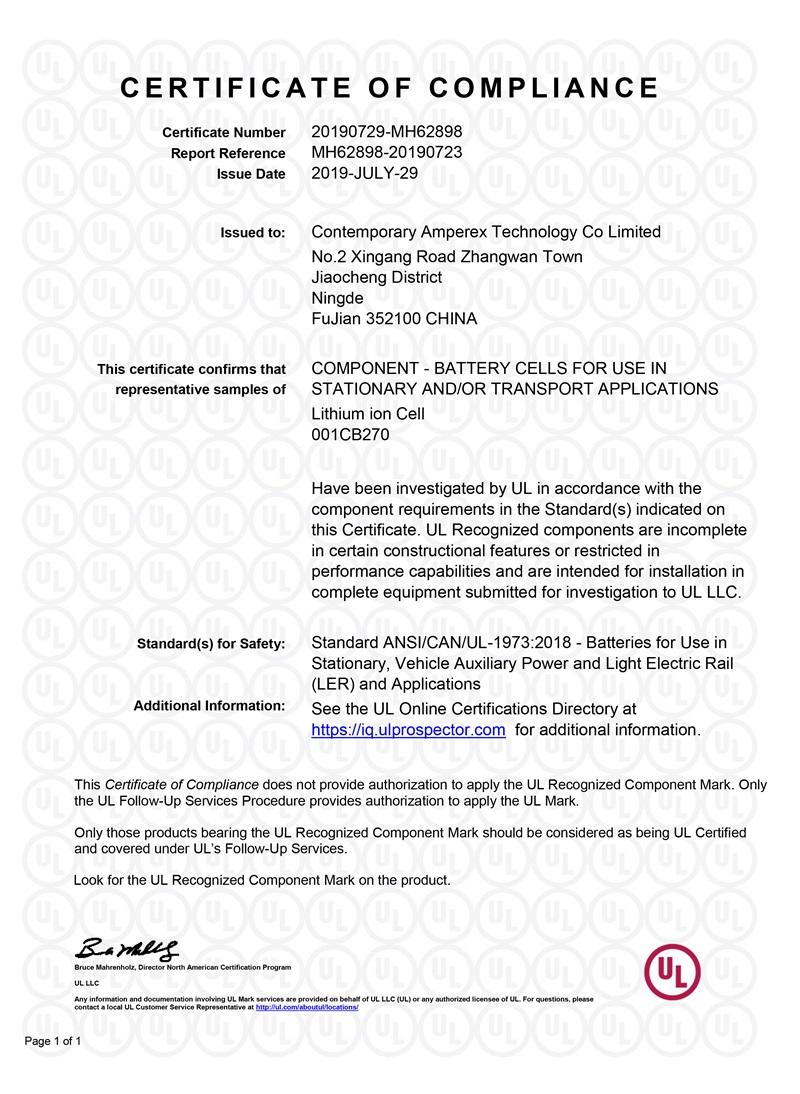
Choosing the right battery is more than a simple purchase decision—it directly affects device performance, lifespan, safety, and long-term costs. Among the many options available today, lithium batteries and alkaline batteries remain the two most widely used power sources across consumer electronics, industrial equipment, and emerging technologies.
While both battery types serve specific purposes, they differ significantly in chemistry, performance, durability, and environmental impact. In this in-depth guide, we break down the key differences between lithium vs alkaline batteries, explain how each works, and help you decide which battery is best suited for your needs.
Lithium batteries are advanced energy storage solutions known for their high energy density, lightweight design, and long operational life. They use lithium-based compounds as the primary component of the electrochemical reaction, which enables superior performance compared to traditional disposable batteries.
Lithium batteries are not a single category but a family of technologies, including:
Lithium Cobalt Oxide (LCO) – Common in consumer electronics like smartphones and laptops
Lithium Manganese Oxide (LMO) – Known for thermal stability and safety
Lithium Nickel Oxide and Ternary Lithium (NCM/NCA) – High energy density, often used in electric vehicles
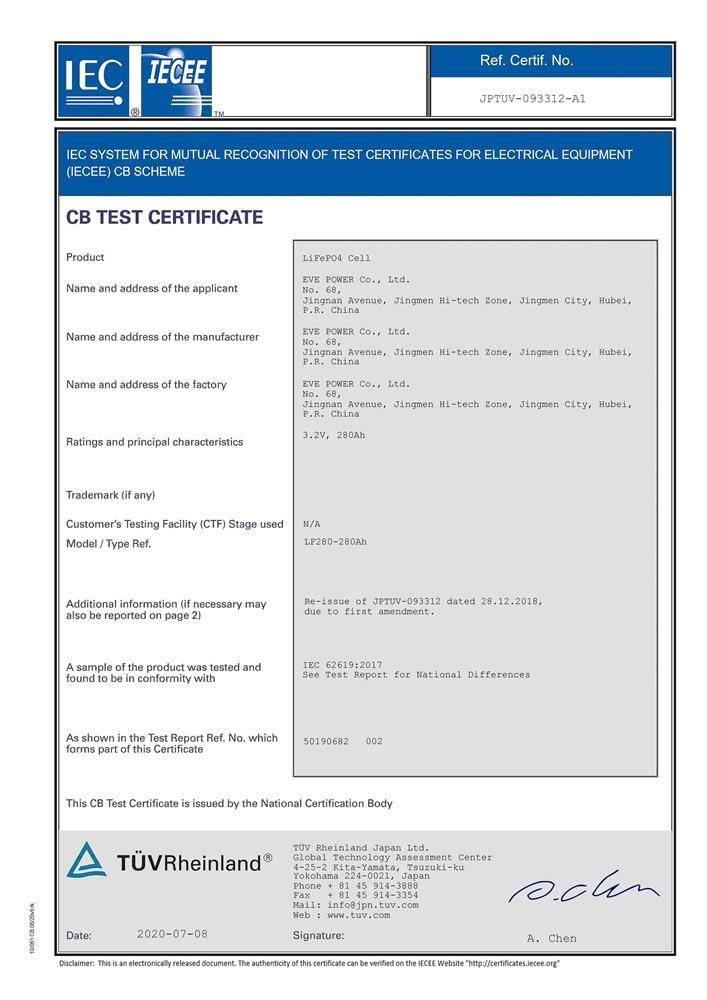
Lithium Iron Phosphate (LFP) – Exceptional cycle life and safety, widely used in energy storage systems
They also vary by physical structure:
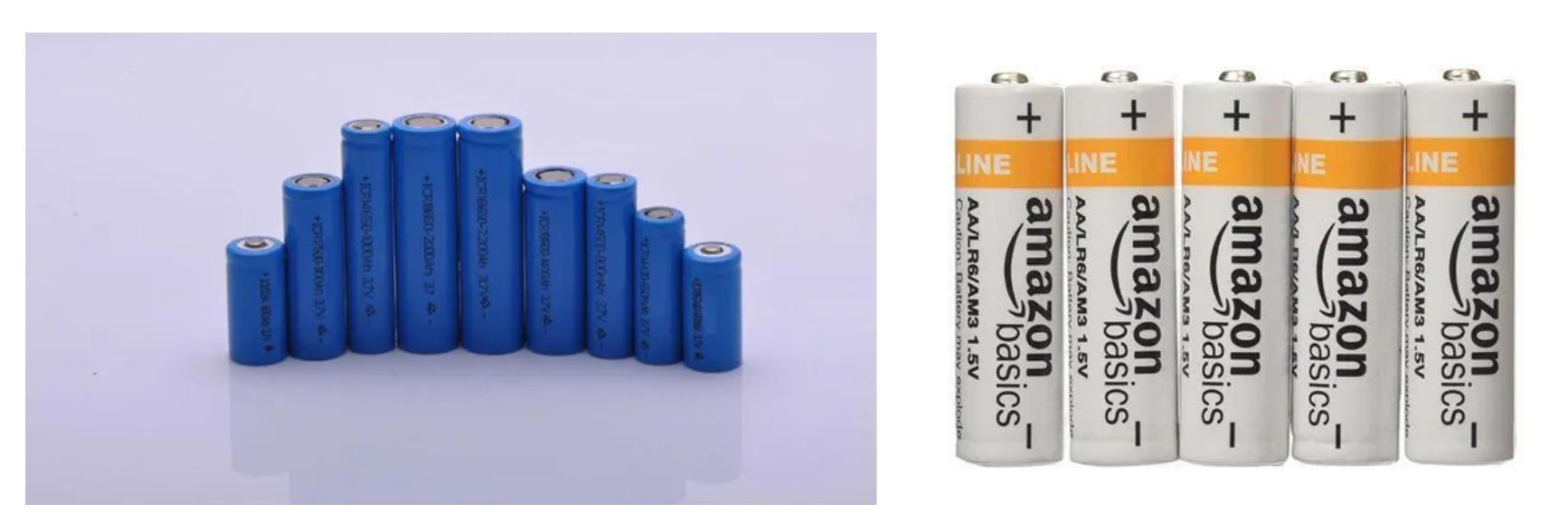
Cylindrical cells (e.g., 18650, 21700, 32650)
Prismatic cells for compact and modular battery packs
Lithium batteries deliver significantly higher capacity than alkaline batteries. For example, a 6000mAh 32650 LFP cell can store up to three times more energy than a 2000mAh 18650 NCM cell, depending on chemistry and application. This high capacity allows lithium batteries to power demanding devices for extended periods without voltage drops.
Alkaline batteries are among the most familiar disposable batteries worldwide. They are widely used in household electronics due to their low cost and easy availability.
Standard alkaline batteries are manganese-zinc electrochemical cells that use:
Cathode: Manganese dioxide (MnO₂) mixed with graphite
Anode: Zinc paste (Zn)
Electrolyte: Potassium hydroxide (KOH)
This chemistry produces a stable initial voltage but gradually declines as the battery discharges.
Alkaline batteries are typically available in consumer-friendly formats, including:
AA
AAA
9V
Coin cell batteries
They are designed primarily for single-use applications and low-power electronics.
Alkaline Batteries: AA, AAA, 9V, coin cells
Lithium Batteries: 14500, 16650, 18650, 21700, 26650, 32650
Lithium batteries are more diverse in size and configuration, making them adaptable to advanced and industrial applications.
At first glance, alkaline batteries appear more affordable. They cost less because they are disposable and made with cheaper materials. However, lithium batteries—although up to five times more expensive initially—offer eight to ten times longer service life.
Lithium batteries maintain a stable voltage until nearly fully discharged, while alkaline batteries experience a gradual voltage drop. Over time, lithium batteries deliver far greater value per charge cycle, making them more cost-effective in the long run.
Alkaline batteries: Nominal voltage of 1.5V per cell
Lithium batteries: Typically range from 1.5V to 3.7V per cell
Lithium-ion batteries commonly operate at 3.2V or 3.6V, enabling them to power high-performance electronics. These cells can be combined into battery packs—such as 48V, 60V, or 72V lithium battery systems—which are impossible to achieve efficiently with alkaline batteries.
Lithium batteries significantly outperform alkaline batteries in terms of capacity and energy density. Their storage range spans from 1200mAh to over 200Ah, making them suitable for everything from portable gadgets to large-scale energy storage systems.
They also feature a much lower self-discharge rate, meaning they retain stored energy longer when not in use.
One of the most important differences lies in cycle life:
Alkaline batteries: Around 300 cycles at best
Lithium-ion batteries: Between 10,000 and 40,000 cycles
This dramatic difference makes lithium batteries the preferred choice for devices that require frequent charging and long-term reliability.
Lithium batteries are designed for high-performance applications and are typically rechargeable. They deliver consistent power output, even under heavy loads.
Alkaline batteries, by contrast, are prone to leakage, voltage instability, and potential short circuits—especially if recharged improperly. For this reason, alkaline batteries are best reserved for low-drain devices such as:
Remote controls
Wall clocks
Basic flashlights
Lithium batteries excel in high-drain and mission-critical devices, including:
Medical equipment
Digital cameras
Power tools
Electric vehicles
Their lightweight construction and high power-to-weight ratio make them indispensable in modern technology.
Lithium batteries are rechargeable and built for longevity. One lithium battery can replace dozens—or even hundreds—of alkaline batteries over its lifetime, reducing both cost and inconvenience.
Lithium batteries weigh significantly less than alkaline batteries while delivering more power. This advantage is crucial for portable electronics, wearable devices, drones, and electric vehicles, where weight directly impacts usability and efficiency.
Although alkaline batteries have a lower upfront price, frequent replacements quickly add up. Lithium batteries offer superior return on investment due to their extended lifespan, stable performance, and reduced maintenance requirements.
Alkaline batteries are typically discarded after use, contributing to environmental waste and landfill pollution. In contrast, lithium batteries are rechargeable and recyclable, with over 90% of raw materials recoverable.
By choosing lithium batteries, consumers and businesses can significantly reduce their environmental footprint while benefiting from cleaner energy solutions.
When comparing lithium vs alkaline batteries, the right choice depends on your application:
Choose alkaline batteries for low-power, infrequently used household devices.
Choose lithium batteries for high-performance, rechargeable, long-term, and eco-friendly power needs.
As technology continues to evolve, lithium batteries are rapidly becoming the global standard for energy storage. Their superior efficiency, durability, and sustainability make them the clear winner for most modern devices and future-ready applications.
Next:CATL Debuts Pioneering Zero-Carbon Shipping Ecosystem Solution
Previous:World's Largest Green Hydrogen Facility Launches in China, Setting Four Global Records
Contact Person: Miss. Elsa Liu
| WhatsApp : | +8617763274209 |
|---|---|
| Skype : | +8617763274209 |
| WeChat : | 17763274209 |
| Email : | Elsa@lifepo4-battery.com |
